
Tips
The right time to hire an online tutor is when consistent struggle appears, not later. When homework regularly ends in tears, confidence drops, or grades begin to slide despite using free resources, self-study has likely hit its limit. That’s the signal personalized guidance can make the biggest difference.
A tutor doesn’t just explain content; they adapt pacing, close hidden gaps, and rebuild momentum before frustration hardens into avoidance. Waiting too long turns small misunderstandings into long-term obstacles. Acting early keeps learning on track and stress low. Keep reading to learn the key signs to watch for, and how to step in before a temporary slip becomes a lasting gap.
Key Takeaways
- Look for clear signals like falling grades, homework frustration, and a loss of confidence in class.
- The best times to start are at the beginning of a school year or semester for proactive support.
- Subjects like math and science often need ongoing help, while test prep may only need a short-term boost.
What Are the Primary Signs a Student Needs an Online Tutor?
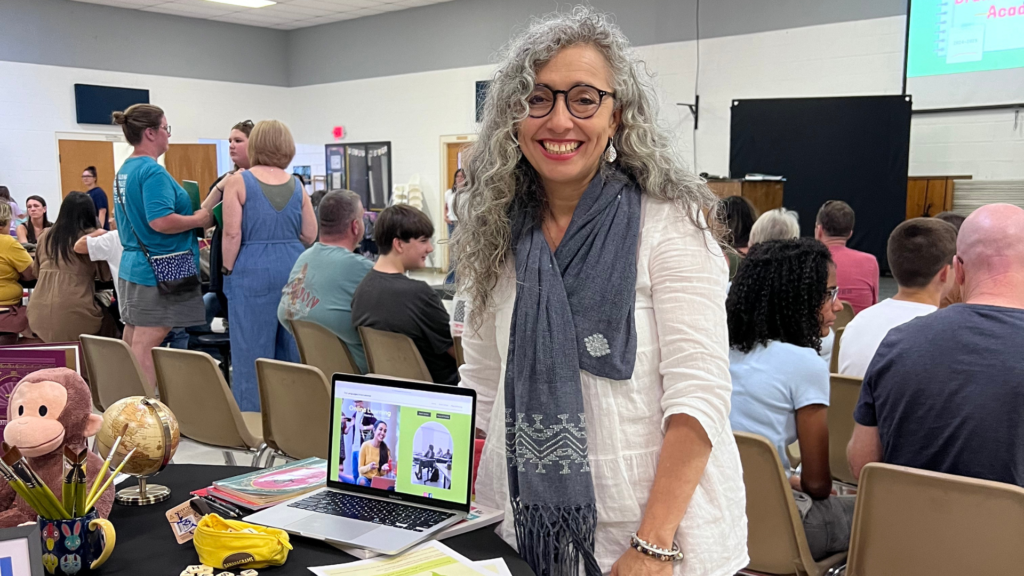
I remember the exact moment I knew my son needed help. It wasn’t when his math grade slipped. It was weeks later, watching him stare blankly at his homework, shoulders slumped. That quiet defeat was a signal I couldn’t ignore.
The signs are usually clear if you know to look. A grade drops in a core subject. Homework becomes a battle of avoidance. A student stops asking questions. These aren’t failures. They’re gaps between what’s taught and what’s understood.
We focus on three areas: a real drop in performance, like in math or a language; emotional cues like frustration or negative self-talk; and behavioral shifts, like procrastination or missed deadlines. It’s rarely just one thing. It’s the pattern.
These gaps are exactly where the benefits of online English tutoring become clear, offering personalized support that rebuilds understanding and confidence without adding pressure.
“Tutoring programs consistently lead to significant improvements in learning outcomes for students.” – Systematic evidence showing tutoring’s effectiveness across grade levels. [1]
Our work is about closing that gap with patience. The one-on-one digital space is quiet. It lets us rebuild the foundational skills, organization, focus, confidence, that make learning possible again. We caught my son’s gap before it widened. That’s the goal.
How Does Timing Impact the Effectiveness of Tutoring?
Credit: Life’s a Charm
I learned about timing the hard way. With my son, we waited until spring, when his struggles in algebra became urgent. We were in crisis mode, cramming for finals. It was stressful for everyone.
That experience showed me that timing is everything. The best time to start is early. Late August or September is ideal. A tutor can work alongside the classroom, reinforcing new concepts as they come. This prevents small confusions from becoming major problems by November.
The next best window is late January, after first-semester grades are in. It’s a chance for a mid-year correction, to review weaker areas and build a stronger plan for the spring.
If you wait until April or May, the goal changes. It becomes about managing a crisis for final exams. Tutor availability drops, and sessions shift from building understanding to frantic review.
Starting early allows time for a real relationship to form. The tutor learns how the student thinks. That trust and rhythm take weeks to build, a luxury you don’t have during finals. The work you do in September pays off in May, not just in a grade, but in a calmer, more confident learner.
This is often the moment parents start asking why choose online English tutoring instead of waiting for grades or relying solely on classroom instruction.
Choosing When to Enroll in Tutoring
I’ve seen how the timing of a student’s first tutoring session can shape their entire year. The decision isn’t just about finding a time slot; it influences who’s available to teach, what you can realistically accomplish, and the student’s long-term path.
Here’s a breakdown of the common enrollment windows:
| Period | Best For | Tutor Availability | Long-Term Impact |
| August/September | Foundation Building | High | Maximum |
| January/February | Mid-Year Review & Correction | Moderate | High |
| April/May | Intensive Exam Preparation | Low | Moderate |
| June/July | Summer Skill Retention | High | Variable |
Starting in August or September is ideal. You’ll have the widest choice of tutors, so you can find someone who truly fits the student’s needs. The focus is on building understanding for the whole year ahead.
January and February are a strong second choice. This window is perfect for correcting problems spotted in first-semester grades, and it can still change the trajectory of the school year.
Later on, the goal narrows. April and May are often about prepping for a final exam or lifting a semester grade. It’s a targeted sprint, not the marathon of foundational learning. Summer sessions are different. They’re excellent for preventing learning loss and getting ready for a tough class ahead, but they’re less suited for fixing problems from the past year.
The right start makes all the difference.
Matching Support to the Subject
I learned the hard way that not every subject needs the same kind of help. Early in my teaching, I saw a student who’d missed a key concept in algebra. We spent months playing catch-up because everything that followed depended on it. That experience showed me the core difference.
Some subjects build on themselves, layer by layer. If the foundation has a crack, the whole structure is unstable.
- Year-round support works best here: Math, Physics, Chemistry, languages like Latin or Mandarin.
- A short-term fix in these areas often feels like a temporary patch. Consistent help ensures each new topic has solid ground to stand on.[2]
Other goals are more specific and bounded. They’re perfect for a short, focused effort.
This is especially true for language learning, where consistency matters and how online tutoring improves fluency depends on regular practice, immediate feedback, and structured reinforcement.
- Short-term modules fit these needs: SAT/ACT prep, structuring a major paper, reviewing for a final exam, a history project.
- The goal here is skill refinement for a defined task, not rebuilding from the ground up.
Knowing which is which saves everyone time and sets clear expectations from the start. It’s about choosing the right tool for the job.
When the Problem is Focus, Not Knowledge

I’ve worked with many bright students who simply couldn’t get started. They understood the assignment, but the blank page or the pile of books felt impossible. I remember one student in particular, let’s call him Alex, who was clearly capable but constantly missed deadlines. His issue wasn’t intelligence; it was a process that had broken down.
This is where a focused online session can make a real difference. The format itself removes common distractions, no hallway chatter, no side conversations. It creates a quiet space for just the work.
In that space, a tutor can address the real hurdles:
- Breaking a daunting project into small, clear steps.
- Setting up a simple, realistic weekly schedule.
- Practicing study skills like self-quizzing or organized note-taking.
It’s less about teaching content and more about coaching a system. The tutor becomes a consistent accountability partner for that hour each week. Research supports this. Studies on one-on-one tutoring show it can dramatically boost a student’s performance, not just by explaining things better, but by adapting to their pace and providing immediate, personalized feedback.
For students struggling with focus, procrastination, or organization, this structured, tailored support is often the most direct path forward. It builds the habits that make independent learning possible.
FAQ
When are the best signs to hire an online tutor for a struggling child?
Signs needing a tutor often appear when a child struggling school shows falling grades, tutor issues, homework frustration help, or lack confidence in class. You may notice poor focus studies, procrastination academic habits, or teacher feedback concerns. Disinterest learning, academic performance drop, report card decline, or behavioral changes school also signal it is the best time for online tutoring.
Is it better to hire an online tutor before exams or earlier in the school year?
The best time for online tutoring depends on goals. Before exams tutoring helps with exam season prep, test preparation online, and exam strategy tutor support. Earlier options like school year start tutor, back to school tutor, or semester start support help fill foundational gaps math, build study habits improve, and offer long-term tutoring benefits.
How can online tutoring help when grades drop or confidence falls?
Online tutoring helps when academic performance drop links to learning gaps fill needs. One-on-one instruction gives concept clarity, tutor support, confidence building exercises, and motivation to boost student progress. A personalized learning plan with customized lesson plans, progress tracking tutor tools, and subject mastery tutor focus can raise skills and rebuild confidence steadily.
Should parents hire an online tutor after teacher meetings or reports?
Yes, a parent teacher conference, progress report analysis, or quarterly review tutor moment often shows clear needs. Teacher feedback concerns, peer comparison academics, or individualized education plan notes may suggest intervention to prevent failure. Online tutors support parental involvement tutoring, feedback loop learning, and goal-oriented tutoring through clear progress reports and parent updates.
What makes online tutoring useful for long-term learning and skill growth?
Online tutoring supports skill building early and learning gaps fill through adaptive teaching methods and curriculum alignment tutor plans. Virtual classroom tutor tools like video call lessons, screen share teaching, and real-time feedback tutor help. Long-term tutoring benefits include study routine establishment, critical thinking development, and time management student growth.
Making the Decision to Hire an Online Tutor
At Ivy Language International, we built our approach around these principles. We know the right tutor isn’t just a subject expert, but a mentor who can spot knowledge gaps and the habits that cause them. We focus on real partnerships that build confidence and skills for the long term, not just answers for tomorrow’s quiz. If you’re seeing these signs, the best time to act is now.
Let’s get started, book a consultation today and build a stronger academic future together at Ivy Language International
References
- https://www.povertyactionlab.org/tutoring
- https://www.mdpi.com/2227-7102/15/7/877
Related Articles
- https://ivylanguagesinternational.com/online-english-tutoring-benefits/
- https://ivylanguagesinternational.com/why-choose-online-english-tutoring/
- https://ivylanguagesinternational.com/how-online-tutoring-improves-fluency/