
English conversation practice online showed me early on that knowing grammar did not mean I could speak with ease. I could read an English article for ten minutes and understand it, but answering a question aloud felt different. I paused, searched for words, and sometimes rebuilt sentences in my head before speaking.
That experience shaped how I approach conversation practice at Ivy Languages International. I learned that regular speaking gives us space to use English in real situations, make mistakes, and learn from them. We do not need perfect grammar before starting. We need a reason to speak and enough practice to continue. Keep reading for practical ways to practice English conversation online.
Quick Reads: English Speaking Wins
A consistent speaking routine, realistic conversations, and focused feedback can make online English practice more useful and easier to maintain.
- Speak regularly, not perfectly. Frequent practice helps us respond more naturally, even when we still make grammar or vocabulary mistakes.
- Use realistic situations and topics. Conversation partners, small talk, role play, and unexpected questions give us practice that feels closer to real communication.
- Track small improvements over time. Noticing fewer pauses, faster responses, clearer pronunciation, and better follow-up questions can show progress that is easy to miss day to day.
Where Can You Practice English Conversation Online?
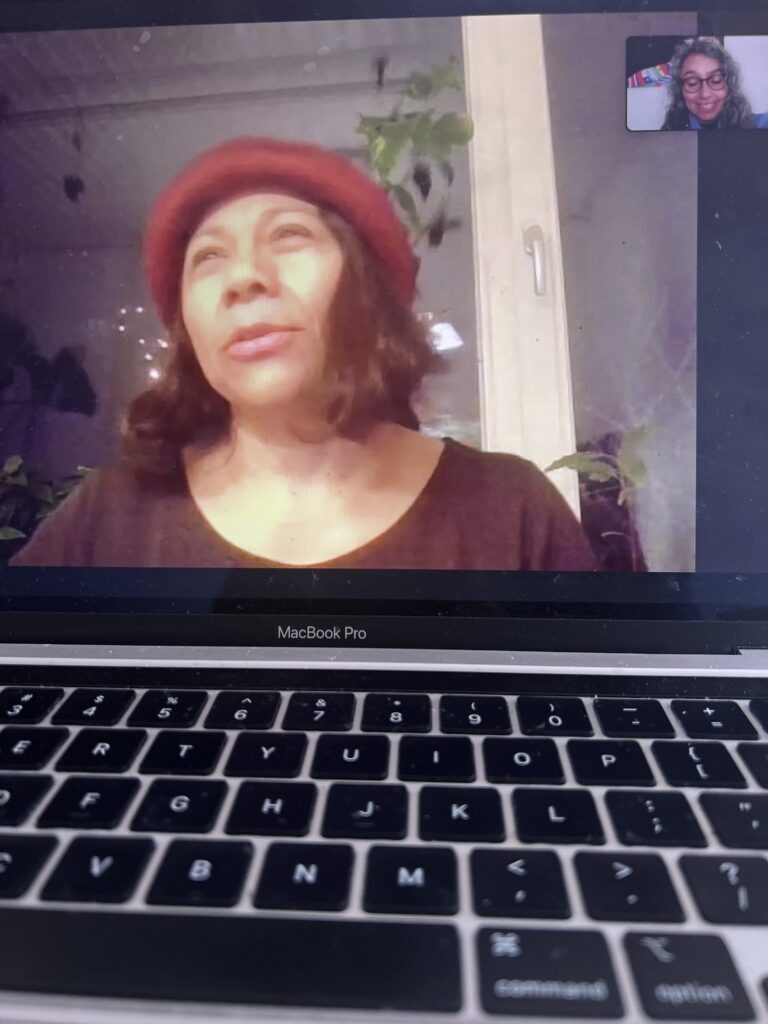
We can practice English conversation online through live conversations, lessons, tutoring, and speaking activities we can do on our own.
When I first looked for useful speaking practice, finding English materials wasn’t the hard part. There were plenty of articles, videos, and exercises. The harder part was finding enough chances to speak.
I could read an article in ten minutes. But reading didn’t make me form an answer under pressure.
Online practice gives us more chances to speak. The Council of Europe’s 2020 CEFR Companion Volume also includes online interaction as part of language use. It looks at communication through interaction, production, and other forms of language use.
We can build our routine around different types of practice. Each one gives us a different experience.
- Live voice chats for natural conversation
- One-to-one lessons for personal feedback
- Online classes for guided practice
- Speaking exercises for solo practice
Our routine doesn’t need to be complicated. If we have 15 minutes, we can speak about our day. With 30 minutes, we can hold a longer conversation. The British Council also uses everyday situations in its speaking materials, including meeting people, discussing work, making suggestions, and dealing with problems.
How Can You Find English Conversation Partners?
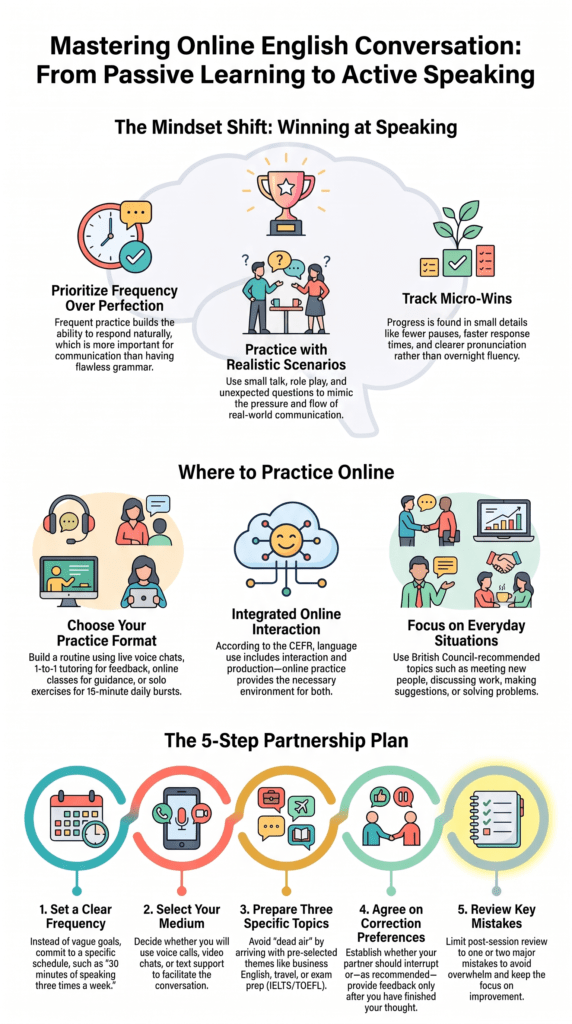
We can find English conversation partners by deciding what we want to practice and agreeing on a regular schedule.
I learned this after having a few conversations that went nowhere. We both wanted to improve our English, but neither person knew what to discuss. The sessions became quiet or repetitive.
So I began setting a clearer purpose.
Saying, “I want to improve my English,” is too broad. Saying, “I want 30 minutes of speaking practice three times a week,” gives us something we can follow.
We can also decide what kind of English we need. It might be casual conversation, business English, travel English, or exam practice for IELTS, TOEFL, or TOEIC.
A good partner doesn’t need to correct every sentence. In my experience, it’s easier to learn when we finish an idea first and review mistakes afterward.
Try this process:
- Choose how often to speak.
- Pick voice, video, or text support.
- Prepare three conversation topics.
- Agree on correction preferences.
- Review one or two mistakes.
The first few conversations may feel awkward. We might pause, forget words, or translate in our heads. Waiting until every sentence feels comfortable can keep us from getting the practice we need.
What Are Good Topics for Advanced English Conversation?
Credits: English Speaking Course
We can make topics for advanced English conversation more challenging by choosing subjects that require explanations, opinions, examples, and follow-up questions.
Basic topics are useful when we’re building confidence. But they can become too easy after a while. At that point, we need conversations that make us think.
The CEFR Companion Volume, published in 2020, includes descriptors for interaction, online interaction, and mediation. This shows that language ability involves more than producing individual sentences.
I find that advanced topics become useful when we have to explain why we think something. A short answer isn’t enough. We need to connect ideas and respond to another person.
Useful subjects include:
- Technology and daily life
- Education and future learning
- Work and leadership
- Environmental choices
- Culture and identity
- Career goals and work-life balance
We can make a discussion harder by adding a second task. Give an opinion for two minutes, then explain one reason you might change your mind. That creates useful pressure.
We have to listen, think, organize our ideas, and respond without writing every sentence first.
How Can You Improve Conversational English Skills Online?
We can focus on improving conversational English skills online by making speaking a regular part of our week. We don’t need long study sessions. Short, focused practice can be easier to maintain and gives us more chances to actually use English.
I used to think speaking practice needed a long study session. It didn’t. Short sessions gave me more chances to speak because they were easier to fit into normal days.
A simple 15- to 30-minute session could include:
- Five minutes of warm-up speaking
- Ten to 15 minutes of conversation
- Five minutes of reviewing mistakes
- A few minutes of vocabulary practice
We can change the focus each day. One session might focus on pronunciation, while another could use role-play, casual conversation, or spontaneous questions.
For example, our weekly routine could include:
- Monday: Personal experiences
- Tuesday: Pronunciation practice
- Wednesday: Casual conversation
- Thursday: Workplace situations
- Friday: Spontaneous speaking
- Saturday: Advanced discussions
- Sunday: Review and recording
Regular conversation can help us recall words faster, listen more closely, and feel more comfortable speaking. We may also notice clearer pronunciation, better follow-up questions, and faster responses over time.
The goal isn’t to speak perfectly. It’s to create regular opportunities to listen, respond, make mistakes, and keep improving.
How Can You Make English Small Talk Easier?
We can make English small talk easier by preparing familiar subjects and learning how to move from one question to another.
Small talk can be harder than a formal presentation. We may know how to explain our job to a group but struggle when someone asks, “How has your week been?”
I’ve had that problem myself. Knowing English doesn’t always mean knowing what to say next.
We can practice topics such as work, study, hobbies, food, travel, weekend plans, and daily routines. These subjects give us useful material for casual conversations.
The British Council’s A1 and A2 speaking materials include situations such as meeting people, talking about where we’re from, discussing jobs, and showing interest.
We can use questions like:
- “How has your week been?”
- “What have you been working on?”
- “What do you usually do on weekends?”
- “Have you watched anything interesting lately?”
- “What are you looking forward to?”
We don’t need unusual questions. Familiar ones are easier to answer and repeat.
Small talk also teaches us to show interest. Short responses such as “That sounds interesting” or “Really?” can keep a conversation moving while we think about our next answer.
How Can You Keep Conversations Going?
We can keep conversations going by responding to what we hear, asking follow-up questions, and adding a related detail. One common problem in speaking practice is giving an answer that ends the conversation.
If someone asks, “Do you like hiking?” we might say, “Yes.” That answer is correct, but it gives the other person little to work with. A better approach is to answer, add a detail, then ask something back.
For example: “Yes, I like hiking. I usually go on weekends because I enjoy being outside. What about you?” This gives both people something to discuss.
Try these conversation extenders:
- “Tell me more about that.”
- “How did that happen?”
- “What happened next?”
- “What was that like?”
- “Why did you choose that?”
- “What did you learn?”
We can also repeat an important word from the other person’s answer and build a question around it.
If someone says, “I started a new job,” we could ask, “A new job? What has changed the most?” That gives us time to listen and helps the other person continue.
Conversations will still stop sometimes. That’s fine. A pause can mean we’re thinking, not failing.
How Can You Practice English Slang and Idioms?
We can practice English slang and idioms by learning expressions in context and checking when people normally use them.
Slang and idioms can be confusing because the meaning isn’t always clear from the individual words. We may understand every word and still miss the point.
I prefer learning a few expressions at a time. Trying to remember too many can make speaking harder. We should also pay attention to formality. Some expressions fit casual conversations but may sound out of place at work.
Our goal isn’t to use as much slang as possible. We need to understand natural speech and choose language that fits the situation.
Research from Fluency journal shows
“Slang makes conversation more relaxed and expressive.” – Fluency journal
We can practice with short dialogues, recorded conversations, podcasts, or speaking sessions. When we hear an unfamiliar expression, write down:
- The expression
- Its meaning
- One example
- Where it fits
Then use it in a short role-play.
That last step matters because we need to move new vocabulary from recognition into actual use.
How Can You Use Role-Play for Conversation Practice?
We can use English role-play scenarios to practice situations before we face them in real life.
Role play gives us a clear task. Instead of talking about English, we have something to accomplish through English.
I’ve found this useful when a situation feels unfamiliar. Having a chance to practice first can make the real conversation feel less strange.
We can begin with everyday situations such as ordering food, asking for directions, making a phone call, or explaining a problem.
Later, we can try job interviews, meetings, networking, presentations, and difficult conversations.
A role-play session can take about ten minutes.
- Read the situation.
- Speak for five minutes.
- Review the difficult parts.
- Try the situation again.
Useful scenarios include:
- Asking for help
- Explaining a service problem
- Meeting someone professionally
- Giving feedback
- Handling a disagreement
- Discussing a deadline
- Planning a trip
Run the same scenario twice when possible. During the second attempt, replace weak phrases and reduce long pauses. Repetition gives us a chance to notice changes within the same session.
How Can You Build Spontaneous Speaking Skills?
We can build spontaneous speaking skills by answering unexpected questions, speaking for a fixed period, and extending one idea without preparing a full script.
As highlighted by Toastmasters International
“You don’t need to plan the entire speech. In a conversation, you effortlessly have things to offer. Begin the conversation, and as you speak, more and more will come to mind.” – Toastmasters International
One exercise I often return to is the two-minute speaking drill.
Choose a topic. Set a timer. Speak until it ends. Record the answer if possible. Later, listen for repeated words, long pauses, unclear pronunciation, or unfinished ideas.
We can also use the A.R.E. structure: answer, reason, example. For example, if someone asks whether we enjoy working from home, we can give our answer, explain why, then describe one real experience.
Useful reaction phrases can also help:
- “That makes sense.”
- “Really?”
- “That sounds difficult.”
- “I had a similar experience.”
These phrases help us stay involved while another person speaks.
Spontaneous speaking won’t feel natural right away. We may repeat words or make grammar mistakes. With repeated practice, we can spend less time translating and more time responding.
How Can You Track the Benefits of Daily Conversation Practice?
We can track English speaking progress by looking at specific skills instead of asking whether our English is “better.”
I noticed this after keeping a few simple records. Day to day, progress was hard to see. One conversation could feel easy, while the next felt difficult. A record gave me something more concrete.
Tracking our progress also helps us see the benefits of daily conversation practice. When we compare our speaking over time, small changes can become easier to notice. We can track how long we speak, how often we pause, which topics we can handle, and which mistakes keep appearing.
We can also record one short answer each week. Use a similar question for two minutes, then compare the recordings after four weeks.
Look at things such as:
- Speaking without long pauses
- Answering questions faster
- Using fewer filler words
- Pronouncing common words clearly
- Asking follow-up questions
- Explaining unfamiliar ideas
- Handling unexpected questions
The British Council organizes speaking activities around different levels and situations. This can help us choose tasks that match our current ability.
Our records don’t need to be complicated. After 30 days, we may have a clearer idea of what needs more practice.
How Can You Use Feedback Without Losing Confidence?
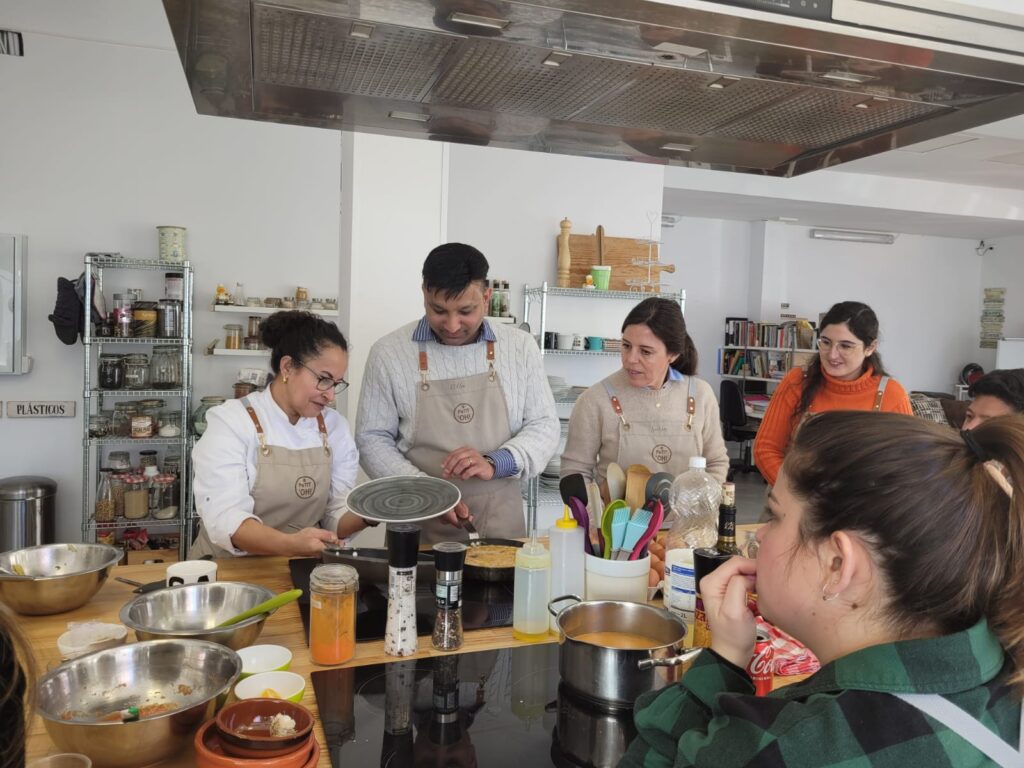
Useful feedback can help us improve, but too many corrections can make speaking stressful. English tutoring online can be helpful when we want more focused guidance, especially if we’re unsure which mistakes deserve attention.
I learned this after trying to fix every mistake during a conversation. Instead of listening, I started watching my grammar. The conversation became harder.
Now I prefer to focus on one or two areas at a time. One session might focus on pronunciation. Another might look at word choice. This gives us space to speak without stopping after every sentence.
We can also group mistakes by their effect:
- Errors that block meaning
- Phrases that sound unnatural
- Small errors that don’t affect meaning
The first group needs attention first. The second can improve natural speech. The third can wait.
A useful feedback routine looks like this:
- Finish the conversation first.
- Record repeated mistakes.
- Choose one correction.
- Use it next time.
- Check if it appears again.
Our goal isn’t perfect English in every sentence. We want clearer communication and more confidence using what we know. Feedback should help us speak more, not make us afraid to speak.
FAQ
How can beginners start English conversation practice online without feeling overwhelmed?
Start with short conversations about familiar subjects, such as hobbies, daily routines, food, or weekend plans. Beginners can use simple English conversation questions and repeat useful phrases until they become easier to say. Ten minutes is enough at first. Focus on expressing your ideas clearly instead of speaking perfectly. With regular practice, longer conversations will feel more manageable.
How often should I practice English speaking online to improve conversational English?
Aim for several short sessions each week instead of one long session. Daily English speaking practice can help, but consistency matters more than session length. Start with ten to fifteen minutes and gradually increase the time as you become more comfortable. Mix casual conversation, English speaking drills, and listening activities to build stronger speaking habits without making practice repetitive.
What should I do when I cannot find English conversation partners?
If you cannot find English conversation partners, use structured speaking exercises or join an online English speaking community. You can also practice with recorded dialogues, conversation questions, or self-study activities. Speaking alone gives you time to organize your thoughts and practice saying them aloud. When you find a suitable partner, add live conversations to your regular routine.
What are good English conversation starters for difficult conversations?
Good English conversation starters should invite more than a simple yes-or-no answer. Ask about someone’s experience, opinion, plans, or preferences. For example, you can ask what they enjoyed recently or what they would change about a situation. These questions create natural opportunities to ask follow-up questions and keep the discussion moving without making the conversation feel forced.
How can I practice English speaking for work, travel, and social situations?
Choose practice situations that match the conversations you expect to have. For work, practice business English conversations, interviews, and professional introductions. For travel, practice asking for directions, help, or recommendations.
For social situations, practice introductions, small talk, and everyday questions. Repeating realistic role-play situations can help you remember useful phrases and respond more naturally.
What Should We Remember About Online English Conversation Practice?
Long-term fluency grows when we use English regularly, make mistakes, and keep speaking. We don’t need to wait until our English is perfect. Real conversations, useful feedback, and repeated practice can help us build confidence over time.
Whether we’re preparing for work, travel, school, or everyday communication, each session gives us another chance to improve. Ready to keep speaking and growing? Practice with Ivy Languages International
References
- https://ejournal.iainpalopo.ac.id/index.php/ideas/article/download/10380/6669#2#2
- https://toastmasters.org/magazine/magazine-issues/2020/oct/spontaneous-speaking
Related Articles
- https://ivylanguagesinternational.com/where-to-practice-english-conversation-online/
- https://ivylanguagesinternational.com/how-to-find-conversation-partners/
- https://ivylanguagesinternational.com/topics-for-advanced-English-conversation/
- https://ivylanguagesinternational.com/improving-conversational-English-skills-online/
- https://ivylanguagesinternational.com/engaging-in-small-talk-in-english/
- https://ivylanguagesinternational.com/how-to-keep-conversations-going/
- https://ivylanguagesinternational.com/practicing-english-slang-and-idioms/
- https://ivylanguagesinternational.com/role-play-scenarios-for-conversation/
- https://ivylanguagesinternational.com/spontaneous-speaking-practice-techniques/
- https://ivylanguagesinternational.com/benefits-of-daily-conversation-practice/
- https://ivylanguagesinternational.com/english-tutoring-online/


Comments(02)