
Tips
Live video English lessons outperform pre-recorded courses because students interact with a real teacher in real time. They can ask questions instantly, correct mistakes as they happen, and feel supported by another person, not a screen. This face-to-face connection keeps learners focused and motivated.
Language grows through use, not passive watching. Live lessons create space to speak, listen, and receive clear, personalized feedback. From years of teaching and learning experience, we’ve seen students build confidence faster and retain knowledge longer this way.
Ready to experience the difference? Book a live English lesson today and start speaking with confidence.
Key Takeaways
- Live video English lessons support faster progress through immediate feedback and active participation.
- Real-time instruction allows lessons to adjust to real needs, not fixed scripts.
- Human connection and structure improve consistency, confidence, and long-term learning.
Why Live Video English Lessons Outperform Pre-Recorded Courses
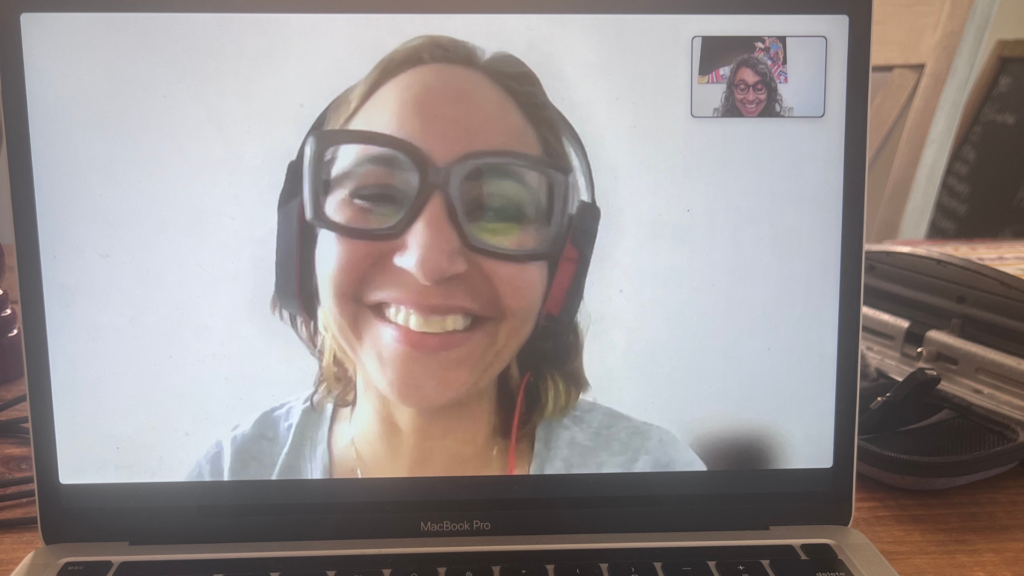
I struggled to learn English for years. I spent so much time watching and listening, but real progress only started when I stopped observing and began talking to a real person. That was the turning point.
Live video lessons bring that important human connection into your learning. A real teacher is there with you, talking, listening, and helping you as you learn. They listen, correct your pronunciation on the spot, and adapt the lesson as you speak. This is something pre-recorded material can never do.
The core advantages of this live approach are simple and proven in my own experience:
- Immediate correction stops small grammar and pronunciation errors from becoming long-term habits.
- Two-way conversation builds the practical confidence you need to speak, not just understand.
- Active participation makes the language stick in your memory for real-world use.
At Ivy League International, we built our program around this idea after seeing how slow feedback can hold students back. When help comes right away, learning moves faster and feels more natural. Live tutoring matches how people really use language every day.
It also creates shared responsibility. When your teacher shows up live, you feel ready to show up too. This steady practice, week after week, helps students speak more smoothly and confidently over time.
The Immediate Impact of Live Correction
I spent months repeating the same mistakes before realizing it was time to seek real guidance, a common sign learners miss when deciding when to hire an online tutor.
In a live online class, a teacher hears a mistake the moment it happens. Maybe the stress is on the wrong syllable, or the rhythm sounds unnatural. They can fix it right then, before it becomes ingrained. A grammar slip becomes a learning moment, not something missed for weeks.
This immediate correction has clear benefits. You hear the correct sound and can try it again instantly. Your vocabulary use becomes more accurate through guided repetition in a real sentence. You learn to listen and adapt to natural conversation speed, not a slowed-down recording.
It mirrors real talk. You practice thinking and responding in real time, which is the goal. In my work, I’ve seen retention improve with this continuous loop.
“When tests include immediate feedback after each question, learners are better able to identify and rectify errors in real time, thereby facilitating more effective learning and retention.” – Humanities and Social Sciences Communications [1]
Speaking actively and getting instant feedback makes the language stick in a way passive watching never does.
Building Confidence Through Shared Space

There is another layer beyond correction: the emotional safety of a live session. Speaking a new language often brings anxiety. I felt it myself, hesitant to say anything for fear of sounding foolish. A recorded lesson cannot address that feeling.
A live session creates a supportive space where mistakes are normal, expected, and managed together. Over time, this consistent environment reduces fear. It increases a learner’s willingness to participate, which is half the battle in language acquisition.
Recorded lessons can explain rules well, but they cannot respond to a student’s visible confusion or a hesitant pause. A live teacher can. They can rephrase a question, offer a simpler word, or simply provide a patient moment to think. This responsiveness builds the confidence to use the language outside the classroom.
The shared commitment of a scheduled live lesson also builds discipline. You show up because someone is waiting for you, ready to work with you. That accountability shapes long-term learning behavior, turning occasional study into a consistent practice. This is the foundation for fluency that lasts.
The Practicality of Real Tasks
When I was working and studying English, the most frustrating part was learning material I never used. I needed language for client emails and team meetings, not for ordering food in a restaurant or discussing the weather. Many professionals face this same disconnect. They don’t need broad exposure; they need specific language for their actual responsibilities.
Live customization solves this by focusing lessons on real tasks instead of general content. When a learner brings a real email draft or a presentation slide into class, the lesson becomes immediately practical. The teacher can respond directly, offering corrections for grammar, suggestions for tone, and strategies for clarity.
This approach respects the limited time of a working adult. There are no hours to waste on unrelated material. The advantages are straightforward:
- Lessons concentrate on real workplace language, using the learner’s own documents as the primary material.
- Teachers can adjust the pacing based on the learner’s progress that day and their current energy level.
- All feedback applies directly to the communication tasks the learner faces that week.
This relevance increases motivation because learners see immediate results. Confidence grows when English directly supports their real-world responsibilities, not a hypothetical future need.
Flexibility That Evolves with You
I once tried to follow a rigid language program while working full-time. It failed. My schedule and needs changed constantly. I needed to prepare for a presentation one week, then handle an urgent client email the next. A fixed curriculum couldn’t keep up.
That’s why our live conversation sessions are built to adapt. We learned under the same pressure. This flexibility means we can shift focus instantly based on your real-world demands. The session responds directly to you.
This approach offers clear, practical benefits:
- It allows the lesson to target your immediate goal, like a quarterly review or a difficult call.
- It respects the real challenge of balancing work, family, and study.
- It builds a learning partnership that evolves week by week.
Over time, this creates a clear and efficient path. Each lesson helps you right where you are, not just as part of a general program.
Live vs. Pre-Recorded: Which Fits Real Schedules Better
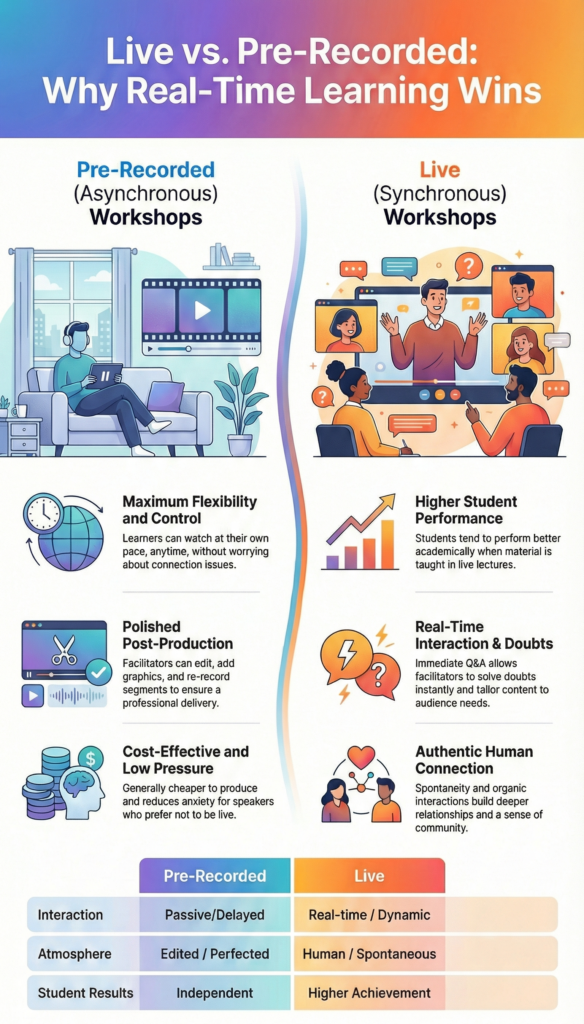
Live video lessons work because they reflect how language is actually used, which is why the online English tutoring benefits are most visible when learners interact with real teachers in real time.
Pre-recorded courses appear flexible, but they rely on self-discipline alone. Without scheduled sessions, many learners postpone lessons and lose momentum. Live sessions create gentle accountability without rigidity.
Live online English classes also remove commute time. Learners join from home, work, or while traveling. This convenience increases consistency, which is essential for language growth.
Before comparing formats directly, it is helpful to look at practical differences side by side.
The table below shows how live and pre-recorded formats differ in daily use.
| Feature | Live Video English Lessons | Pre-Recorded Courses |
| Feedback | Immediate and personalized | None or delayed |
| Accountability | Scheduled sessions | Self-managed |
| Engagement | Two-way interaction | One-way viewing |
| Adaptability | Adjusted in real time | Fixed content |
| Completion rates | Higher over time | Lower for adults |
These differences affect outcomes. Learners who attend live sessions are more likely to continue and improve steadily.
At Ivy League International, we observed fewer dropouts when learners committed to live schedules. Flexibility paired with accountability supports long-term success.
Why Learners Prefer One-on-One and Small Group Live Sessions
Learners prefer one-on-one and small group live sessions because they receive attention and speaking time. We understand this preference from our own learning journey.
These factors matter because learners are not just choosing a format, they are finding the best online English tutor to support their progress week after week.
Large recorded programs often treat learners as an audience. Live sessions treat learners as participants. This shift changes how comfortable people feel speaking.
Small group video English sessions also allow peer learning without pressure. Learners hear others make mistakes and improve, which normalizes the process.
Before listing specific reasons, it is important to acknowledge that confidence grows through repeated, supported practice.
Live sessions encourage participation and trust.
- Learners speak more often during focused sessions.
- Teachers track progress closely over time.
- Feedback feels personal and relevant.
These factors help learners stay engaged even when progress feels slow. Language learning requires patience, and live support makes that patience manageable.
At Ivy League International, we built community through live interaction because we know how isolating language learning can feel. Shared effort builds persistence.
How to Maximize Learning Value in Live English Sessions

Learning value increases when live sessions are used intentionally and consistently. We learned this through trial, error, and long-term teaching.
Preparation matters. When learners arrive with clear goals or questions, sessions become more effective. Even simple focus areas improve outcomes.
Active participation also matters. Speaking, asking for clarification, and requesting correction accelerate progress.
Before outlining practical steps, it helps to remember that improvement comes from steady effort, not shortcuts.
Learners can increase session value through simple habits.
- Prepare one real-life language task before each session.
- Ask for corrections on specific errors or patterns.
- Review feedback after class and apply it daily.
These steps turn each lesson into a building block. Over time, progress becomes visible and motivating.
“the average tutored student was above 98% of the students in the control class.” – Benjamin S. Bloom [2]
At Ivy League International, we encourage goal setting and reflection because we know how easily learners can feel stuck. Structure supports confidence and persistence.
FAQ
What tech setup do live online English classes need for smooth real-time learning?
Live online English classes rely on real-time English tutoring with a virtual English teacher. Students use webcam English instruction through Zoom English classes or Skype language coaching.
Synchronous English learning requires stable internet, clear audio, and HD video quality teaching. Screen share lessons, whiteboard virtual sharing, and recording session review help ensure immediate feedback in English without delays or confusion.
How do interactive video lessons improve speaking and engagement for different learners?
Interactive video lessons support one-on-one video lessons and group video English sessions. An online ESL tutor gives personalized live tutoring with pronunciation practice live and grammar correction real-time.
Conversation practice online becomes more active through breakout rooms practice, polls quizzes live English, and gamification video classes. These tools increase engagement in video lessons, motivation live interaction, and retention higher live while reducing dropout lower interactive.
Can synchronous English learning offer flexibility and real cultural exchange online?
Synchronous English learning offers flexible scheduling online and no commute English learning. Students gain global tutor access and connect through native speaker live chat with a live English conversation partner.
A virtual classroom English setting supports cultural exchange live video using authentic materials live. Activities like news discussion video and podcast analysis interactive improve listening skills live stream in a practical way.
Which goals suit real-time English tutoring, from exams to work needs?
Real-time English tutoring supports many learning goals. Students prepare for business English live, job interview practice, and presentation skills coaching. Exam learners focus on IELTS preparation video, TOEFL live coaching, and Cambridge exam tutoring.
Programs serve adult English learners online, beginner live lessons, kids English video fun, teen language live groups, and advanced conversation video for professional development in English.
How is progress checked and improved during live video English lessons?
Immediate feedback in English helps students improve faster. Teachers use adaptive online teaching with dynamic lesson adjustment and pace adjustment real-time. Lessons focus on weak area focus while building strengths.
Progress stays clear through student progress tracking, homework review video, writing correction real-time, and assessment instant grading. Recording session review supports confidence building online and steady improvement.
Advantage of Live Video English Lessons for Long-Term Growth
The advantage of live video English lessons is steady, supported growth that respects how language truly develops. We built our approach from lived experience, not trends. Learning English took us years, not weeks, shaped by human connection, patience, and consistent practice.
Live video lessons keep these essentials while removing physical barriers. At Ivy Language International, we continue this work because language growth happens gradually, with care and structure. Learn with us, start your journey today at Ivy Language International
References
- https://www.nature.com/articles/s41599-024-03983-6
- https://en.wikipedia.org/wiki/Bloom%27s_2_sigma_problem
Related Articles
- https://ivylanguagesinternational.com/when-to-hire-an-online-tutor
- https://ivylanguagesinternational.com/online-english-tutoring-benefits/
- https://ivylanguagesinternational.com/finding-the-best-online-english-tutor